
The grammar of governments for governance
In the final school exam, English was everyone’s dread. This was because, we did not have a defined book from which the questions came. We had 4 sections, reading for 35 marks, writing for 35, literature for 15 and grammar for 15. Obviously 15 marks in grammar were the only section where one could score 100%, so my father decided that I need grammar classes. The instructor followed a simple technique that I never understood then. He used to get photo copies of ‘fill in the blank’ questions. Everyone in the class got some 10 mins to answer them and then we were asked to take turns to read out the answer for each question. One had to explain why he/she chose the answer if it was correct. If it was incorrect it would be next guys turn to tell the correct answer. If everyone failed he used to give an explanation. Also, he wouldn’t tell us if the answer was correct or not if we couldn’t explain it.
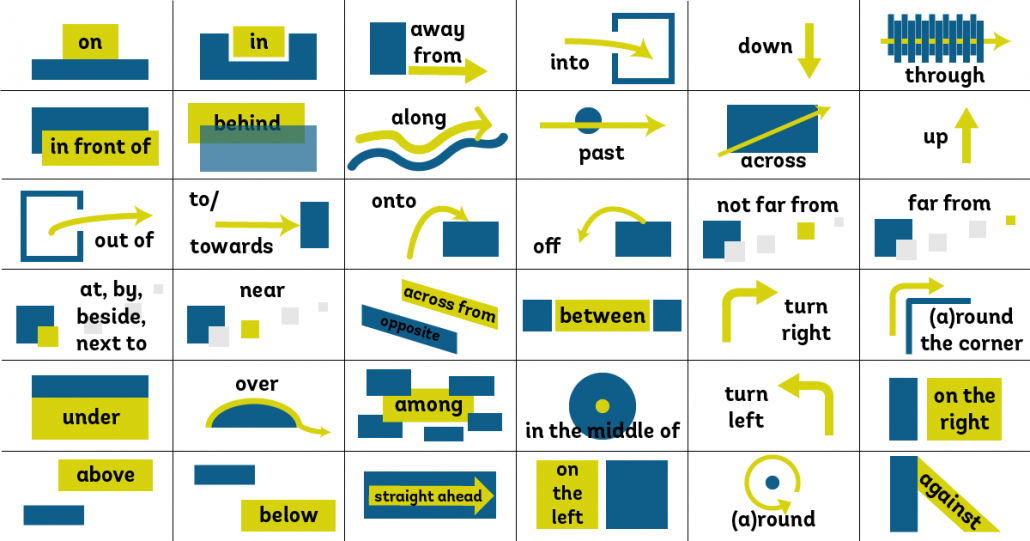
I’m a condescending person by birth. This default urge to correct people gets me on the wrong side of people frequently and the grammar classes in school have only exaggerated my condescending nature. Whenever I hear or read something, I check if its grammatically correct. Of all the parts of grammar, I believe prepositions are very important. In certain occasions there are more than one preposition that can be used. Each one gives the sentence a different meaning. The best examples for these are our constitutions. Yes, the founding fathers of every country were pretty smart about how they framed the sentences in constitutions. Let’s look at Indian constitution,
Art. 19 of the constitution now provides six freedoms, namely :
- right to freedom of speech and expression,
- right to assemble peaceably and without arms,
- right to form associations or unions,
- right to move freely throughout the territory of India,
- right to reside and settle in any part of the territory of India,
- right to practice any profession or to carry on any occupation trade or business.
Art 25 adds freedom of religion.
There are some restrictions too
Firstly, the state may impose restrictions on the exercise of the right to freedom of speech and expression on eight grounds. These are:
- defamation,
- contempt of court,
- decency or morality,
- security of the state,
- friendly relations with other states,
- incitement of offence and,
- sovereignty and
- integrity of India.
2 of the 7 freedoms are very interesting to me.
1) Freedom of speech and expression
It means that you have the freedom to express yourself. This is one of the biggest lie in our Constitution. Anything you say can be categorised into one of the restrictions and you can be held guilty. Now a days, going by the News. India’s soft power is trolling.See what happened to Maria Sharapova when she said, she doesn’t know who Sachin tendulkar is? I think if you really put your heart into it you can find fault with even a simple ‘Good morning’. Now Freedom of speech will never work until people are mature enough, and it ain’t gonna happen. So, what we should have is Freedom from speech. In other words a kind of shield or protection from idiots. Our governments cannot guarantee freedom from speech, so I guess for now you have to learn to do it yourself. See a simple preposition change effectively changes the meaning. The next fundamental right gets even more interesting with the same change of preposition.
2) Freedom of religion
Constitution of India assures its citizens that they can practise any religion as long as it doesn’t violate the above mentioned restrictions. But this is again a very clever phrasing of a fundamental right. A religion by its nature is defaming to other religions.It defines a morality that defies common sense. It effects friendly relations with other states. Effects the security of state. So, it more or less qualifies under every restriction mentioned above. What we actually need is freedom from religion. Religion should not allow people to dictate how others live their lives. But its exactly what it does. So, we need freedom from it, not just of it.
Rest of them though might be grammatically more accurate are also a sham.
Rest of them though might be grammatically more accurate are also a sham.
- right to assemble peaceably and without arms – Are we allowed to really assemble in peace? Only when your government wont mind it.
- right to form associations or unions – Again only if the political persons in power think it does not endanger their ambitions in any way
- right to move freely throughout the territory of India, – Big joke again, J&K is off limits. So are various parts of India(conditionally). An Andhra guy is not welcome in Telangana and vice-versa. A non-Tamil is not welcome in Tamil Nadu. Well Bihari’s not welcome anywhere. Well there are some Marathis that fume at the site of certain language speaking Autowallahs. I can go on but you get the point. Right?
- right to reside and settle in any part of the territory of India – Explaining this would be just repetition of previous sentences.
So. in practice the Constitution of a country is in place to control it’s citizens not to protect them. It is a rule book using which political parties in the mask of governance can enforce and indoctrinate their ideologies and agendas.
If you find any grammatical errors in the post, please let me know. You must have had a better teacher than me.
 Random thoughts of a confused primate